 ☰ Menu
Key Takeaways:
Shoveling snow is a physically demanding activity that can significantly increase the risk of orthopedic injuries, especially to the back, shoulders, knees and soft tissues, as well as from slips and falls on icy surfaces. Many of these injuries are preventable with proper preparation, including warming up beforehand, wearing appropriate winter footwear and using ergonomically appropriate equipment. Safe shoveling techniques, such as lifting with the legs, avoiding twisting motions, managing load size and pacing yourself, can greatly reduce strain on joints and muscles. Individuals with prior orthopedic conditions should take extra precautions and monitor for warning signs like persistent pain, swelling, numbness or limited mobility. Prompt evaluation by an orthopedic physician after a shoveling-related injury can help prevent complications and support safe recovery.
When you live on the Western Slope, shoveling snow is part of your winter responsibilities. While it can feel like a straightforward task, it’s actually more technical and challenging than you might realize. Shoveling snow is one of the most physically demanding activities you’ll have to perform all year, and it combines cold temperatures, awkward movements, heavy lifting and uneven footing. These factors create a serious risk of an orthopedic injury if not performed correctly.
Each winter, we see a surge in patients with back strains, shoulder injuries, knee pain and injuries from slips and falls related to snow removal. These injuries don’t just affect older adults. People of all ages, especially those who are already prone to joint pain, muscle weakness or previous injuries, are at risk.
The good news is that many snow shoveling injuries are preventable. With the right preparation, equipment and technique, you can significantly reduce strain on your joints and lower your risk of serious injury.
Snow shoveling places stress on multiple areas of the body at once. Understanding where injuries tend to occur can help you take the proper steps to protect yourself.
Lower back injuries are the most common orthopedic issue linked to shoveling snow. Lifting heavy, wet snow – especially while bending forward or twisting – puts excessive pressure on the spine. This can lead to muscle strains, ligament sprains and flare-ups of existing disc problems.
People with herniated discs, arthritis or chronic back pain are especially vulnerable. Even those without a history of back issues can develop sudden pain after shoveling snow with poor technique. Cold muscles are tighter and less flexible, which increases the risk of injury if you start shoveling without warming up.
The shoulders take a beating during snow removal. Repetitive lifting, throwing snow and pushing heavy loads can irritate the rotator cuff and surrounding tendons. Shoulder injuries from shoveling often include strains, tendon inflammation and rotator cuff tears.
These injuries may start as mild soreness, but can worsen quickly if you continue shoveling without adjusting your technique. People who already have shoulder stiffness or limited range of motion should be especially cautious.
Icy sidewalks and uneven, snow-covered surfaces make slips and falls a real danger. Falls can result in fractures, dislocations, knee injuries, wrist injuries or head trauma.
Balance becomes more challenging on icy surfaces, and fatigue can increase the likelihood of missteps. Falls while shoveling are one of the leading reasons people seek urgent orthopedic care after snowstorms.
The strenuous nature of shoveling snow makes soft-tissue injuries a common problem. In fact, pulled muscles and tendon strains account for a significant percentage of snow shoveling injuries.
Shoveling snow also involves repetitive motions that can irritate muscles, tendons and ligaments. Overuse injuries may develop in the elbows, wrists, forearms and shoulders. These injuries often show up as lingering soreness, stiffness or swelling that doesn’t improve with rest.
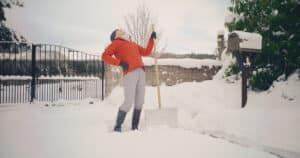
Preventing injuries while shoveling snow is about working smarter, not harder. Small adjustments can make a big difference in protecting your joints and muscles.
Shoveling snow is similar to a workout, and your body needs to be prepared. As with any other workout, proper preparation involves warming up your muscles as well as wearing the right gear.
Spend five to ten minutes warming up before heading outside. Simple movements like brisk walking, marching in place, or gentle hip, leg and shoulder stretches can increase blood flow and loosen your muscles.
Cold muscles are more likely to strain. Wear layers that keep you warm without restricting movement. Gloves should allow for a secure grip on the shovel, and hats will help maintain body heat. Footwear also matters. Choose boots with good traction to reduce the risk of slipping.
Using the right shovel can reduce strain on your body. Look for a shovel that is the right height for you – generally one that reaches chest level. A shovel that is too short forces you to bend excessively, increasing stress on your back.
Lightweight shovels are easier on your back and shoulders, especially when lifting snow repeatedly. Using a shovel that has curved handles or ergonomic designs will help you maintain a more upright posture, which can reduce the risk of injury. Push-style shovels or snow scoopers can also reduce the need for lifting.
If the snow is very deep, consider using a snow blower, especially if you have a history of orthopedic issues. While snow blowers still require care and proper use, they significantly reduce physical strain.
The technique you use matters just as much as the shovel you choose. When shoveling, keep these technique tips in mind:
Instead of throwing snow over your shoulder, try to push it to the side or walk it to where you need it placed. Twisting while holding weight is a major cause of back and shoulder injuries.
Snow can be deceptively heavy, especially when it’s wet or compacted. Trying to lift too much at once increases injury risk. Take smaller scoops and make more trips if needed.
Pace yourself. Shoveling quickly to “get it over with” often leads to fatigue and poor form, which increases your risk of injury. Take breaks every 10 to 15 minutes, especially if you’re clearing a large area. Spend your breaks indoors to warm up and drink water so that you remain properly hydrated.
If possible, shovel more frequently during a storm instead of waiting until snow piles up. Removing smaller amounts of snow at a time is much easier on your body.
Taking following precautions will help protect your back, shoulders and knees from injury:
Most importantly, pay attention to early warning signs like soreness, stiffness or sharp pain. These signals mean your body needs a break. Pushing through pain often leads to more serious injury.
Not every situation requires medical care, but certain symptoms should never be ignored. You should consider seeing an orthopedic physician if you experience:
Early evaluation can prevent minor injuries from becoming long-term problems. An orthopedist can assess your condition, recommend appropriate treatment and help you safely return to normal activities. Treatment may include physical therapy, activity modification or other non-surgical options tailored to your needs.
Even when you use the proper equipment and technique, there’s always a chance you can suffer an orthopedic injury while shoveling snow. If this occurs, Colorado Advanced Orthopedics can help you restore a pain free life.
Our team includes some of the finest board-certified, fellowship trained orthopedic surgeons along the Western Slope. Our team of specialists can address a wide range of orthopedic injuries, including just about any issue you may experience from shoveling snow. In addition, our in-house physical therapy team works closely with our orthopedic physicians, ensuring every aspect of your treatment plan will be coordinated and aligned for the best possible outcome.
Contact us today to schedule an appointment. Colorado Advanced Orthopedics serves patients in Meeker, the White River Valley, Grand Junction and throughout the Western Slope.
Subscribe to our monthly newsletter for the latest tips and insights on orthopedic health, wellness, and recovery. Discover how to celebrate life to the fullest!
Subscribe To Our Monthly Publication