 ☰ Menu
Key Takeaways:
Rotator cuff injuries are a common cause of shoulder pain, affecting millions each year and often resulting from repetitive motion or acute trauma. The rotator cuff – a group of muscles and tendons that stabilize the shoulder – can develop conditions such as tears, tendinitis, bursitis or impingement, leading to symptoms like aching pain, reduced strength and limited range of motion. Diagnosis typically involves a physical exam and imaging (MRI, X-ray or ultrasound), while treatment ranges from conservative options like rest, physical therapy and anti-inflammatory medications to surgical intervention in severe cases. Early evaluation and a condition-specific treatment plan are key to restoring shoulder function, reducing pain and preventing long-term damage.
Rotator cuff injuries are extremely common. Each year, approximately 2 million Americans seek medical treatment for a rotator cuff issue. These injuries can be extremely painful, making it difficult to perform a wide range of routine daily activities such as getting dressed, brushing your hair or reaching for an item in a cabinet.
The good news is most rotator cuff injuries can be treated, eliminating your pain and restoring full function to your shoulder joint. The right treatment plan will depend on the specific rotator cuff injury you’ve suffered.
The rotator cuff consists of a group of muscles and tendons surrounding the shoulder joint that hold the top of your upper arm bone securely in the socket of your shoulder. These muscles play an important role in keeping your shoulder stable when you move your arm.
The majority of rotator cuff injuries are caused by wear and tear that occurs when you perform the same arm movements repeatedly. Over time, these repetitive motions will cause the muscles and tendons in the rotator cuff to break down. In some instances, rotator cuff injuries may also be caused by a traumatic injury.
Some of the most common rotator cuff injuries include:
While not present after all rotator cuff injuries, the most common symptom is dull, aching pain deep in the shoulder. You’re most likely to experience shoulder pain when you:
Depending on the type and severity of your rotator cuff injury, you may also experience one or more of the following symptoms:
“A lot of patients try to push through shoulder pain for months before coming in, but a rotator cuff issue rarely gets better on its own if it’s affecting your daily activities. The sooner we look at it, the more likely we can avoid surgery altogether.” — Dr. Rhett Griggs, Shoulder Surgeon, Colorado Advanced Orthopedics
The first step in determining whether you have a rotator cuff injury is to have a physical evaluation performed by an orthopedic shoulder surgeon. During this exam, your shoulder specialist will discuss your symptoms with you and perform some physical tests of your shoulder to assess its strength and range of motion.
You may also require imaging to accurately diagnose the specific rotator cuff injury causing your pain. This may include:
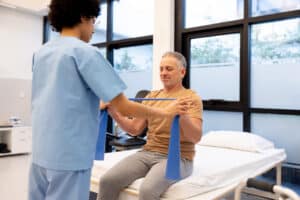
Your specific treatment plan will be determined by the type and severity of your rotator cuff injury. Minor rotator cuff injuries can often be treated using conservative methods, including:
If you don’t experience relief from these conservative treatments or if you have a very serious rotator cuff injury (such as a torn rotator cuff), surgery may be required. There are several different shoulder surgery techniques used to repair rotator cuff injuries, and your shoulder surgeon will recommend the best solution for your specific condition:
If you’re struggling with pain caused by a rotator cuff injury, Colorado Advanced Orthopedics can help you restore a pain free life. Our team includes some of the finest board-certified, fellowship trained orthopedic surgeons along with Western Slope. At CAO, we perform a wide range of surgical and nonsurgical treatments for rotator cuff injuries, and our orthopedic shoulder specialists will recommend a customized plan to address your specific injury.
Shoulder surgery procedures are performed by Dr. Rhett Griggs. Dr. Griggs has completed fellowship training in shoulder, elbow and hand surgery, and he has almost 20 years of experience performing shoulder surgery. This experience and specialization has helped us achieve exceptional surgical outcomes on rotator cuff injuries.
You’ll also benefit from our in-house physical therapy team, which works closely with our orthopedic surgeons. This collaboration ensures every aspect of your treatment is coordinated, allowing for the best possible results.
Contact us today to schedule an appointment. Colorado Advanced Orthopedics serves patients in Meeker, the White River Valley, Grand Junction and throughout the Western Slope.
Subscribe to our monthly newsletter for the latest tips and insights on orthopedic health, wellness, and recovery. Discover how to celebrate life to the fullest!
Subscribe To Our Monthly Publication